

#Articles
Specialists Explain Glaucoma and the Importance of Prevention
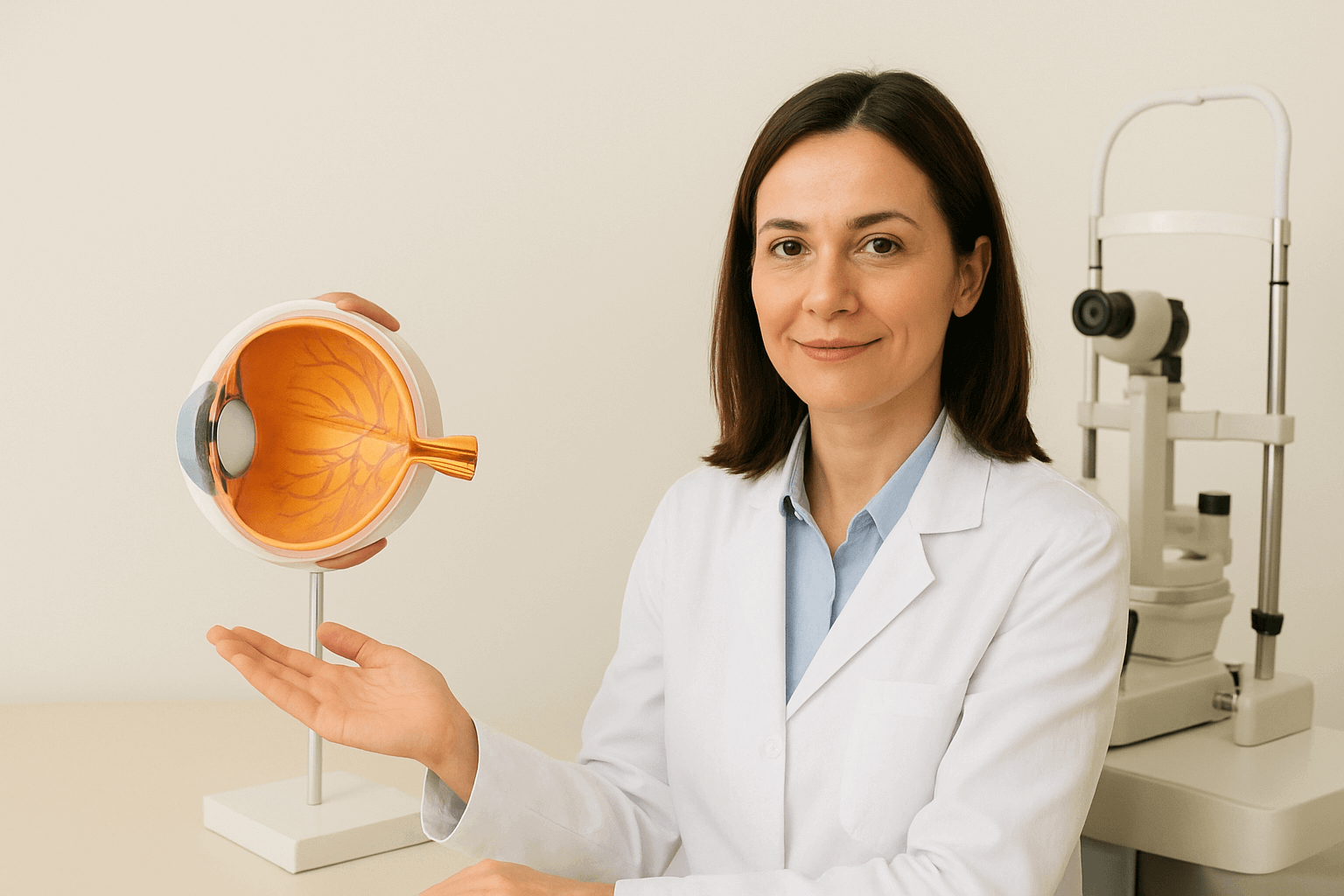
Doctors from Unidad de Oftalmología y Catarata in the Dominican Republic explain why early glaucoma detection is essential.
Santo Domingo, Dominican Republic, March 18, 2025. Following Glaucoma Prevention Day on March 12, Unidad de Oftalmología y Catarata is sharing information about glaucoma.
Recognized as the world’s leading cause of irreversible blindness, this serious eye disease progresses silently and often shows no obvious symptoms until significant damage has occurred. Ophthalmology specialists Dr. Lucindy Alvarado and Dr. Servando Santana Rodríguez stress that early detection is vital to preventing severe complications.
Specialists describe the main characteristics of glaucoma
Glaucoma is a chronic, progressive and silent disease that damages the optic nerve, which transmits visual information from the eye to the brain. This damage is often associated with increased intraocular pressure caused by an imbalance between the production and drainage of aqueous humor, the fluid that helps maintain the eye’s shape and health. Pressure on the optic nerve leads to gradual vision loss.
There are two main types: open-angle and angle-closure glaucoma. In open-angle glaucoma, aqueous humor drains only partially, causing intraocular pressure to rise gradually. In angle-closure glaucoma, the drainage pathway becomes suddenly blocked, rapidly increasing pressure and potentially causing immediate vision loss, pain and redness.
Common risk factors include family history, ethnicity, high blood pressure, diabetes, older age and elevated intraocular pressure. Of these, elevated intraocular pressure is the factor that can be controlled through early diagnosis and proper treatment.
How glaucoma is identified and treated
Glaucoma can go unnoticed in its early stages because it usually produces no clear symptoms. Many patients detect no change until optic nerve damage has substantially reduced their visual field. Most cases are therefore found during routine examinations that measure intraocular pressure. Additional tests, including visual field testing and optic nerve imaging, help confirm the diagnosis.
At advanced stages, patients may experience blurred vision, shadows in parts of their visual field, eye pain, headaches, dizziness that makes reading difficult or reduced color perception. Treatment aims to balance the production and drainage of aqueous humor. Eye drops are usually the first option, with different formulations selected according to intraocular pressure and optic nerve damage.
In less severe cases, laser treatment can effectively control intraocular pressure and reduce reliance on daily drops. Surgery may be considered when glaucoma is advanced, cannot be controlled with other treatments or treatment instructions are not followed. Its purpose is to slow disease progression and prevent further vision loss.
Regular eye examinations can prevent irreversible glaucoma damage. Anyone with risk factors or eye symptoms should receive a comprehensive evaluation to detect the disease early and avoid serious complications.
For more information and prevention:
@unidadoftalmologiaycatarata