#Articles
Good Vision Belongs in Their School Backpack Too
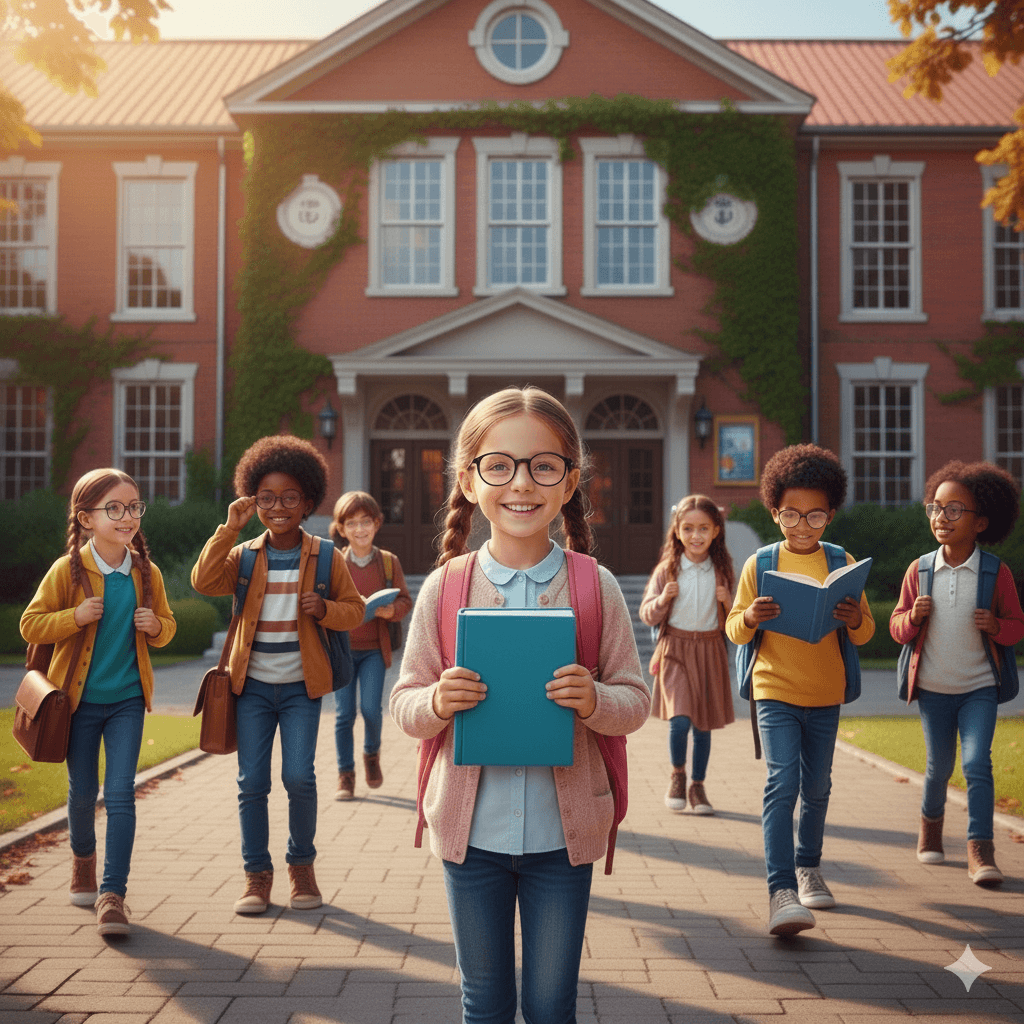
Preparing for the school year is not only about buying supplies; it also means making sure children’s vision does not prevent them from learning.
Learning also depends on what children see. When a child struggles academically, we often think of a lack of interest, behavioral problems or learning disorders. Yet the cause is often something as easily overlooked—and as important—as the quality of their vision.
At Unidad de Oftalmología y Catarata (UOC), we often see how a timely eye examination can make a difference in school performance. The American Optometric Association (AOA) estimates that up to 80% of childhood learning depends on sight, making good vision essential for reading, writing, playing and interacting with the environment.
Children learn by observing from an early age. Vision plays a fundamental role from the first months of life. Babies and preverbal children learn primarily through observation: they imitate gestures, recognize faces, follow objects with their eyes and begin to understand the world by watching what happens around them. When a child’s vision is not optimal, this early learning is limited. Parents may not notice that something is wrong because the child cannot express it verbally.
Preschool children are still developing language skills, so observation becomes a key learning tool. This can make it difficult for them to clearly explain visual problems such as blurred vision.
The effects are also visible in the classroom. At school age, uncorrected vision problems such as myopia, hyperopia or astigmatism can make it hard to see the board, read or study without fatigue. The result may be poor academic performance, inattention, apparent lack of interest or even behavioral problems. These signs are often mistaken for disobedience or lack of motivation when the child simply cannot see clearly.
Most children do not say, “I can’t see well,” but their bodies provide clues. UOC specialists recommend watching for subtle changes that may not seem directly related to sight. Regular school-age eye examinations are essential. Signs such as moving too close to objects, rubbing or squinting the eyes can help identify vision problems early and ensure proper care. Frequent headaches, especially after reading or doing homework, may indicate excessive visual effort and can sometimes be the only symptom.
The good news is that many of these problems are easy to correct when detected early. An ophthalmology examination can change the course of a child’s education. It is not always a lack of interest; sometimes the child simply cannot see well.
At UOC, every child who comes for a consultation represents an opportunity to improve how they learn, feel confident and discover their surroundings. Our pediatric eye care team performs early examinations, detects and corrects refractive errors and provides timely treatment. Our commitment is to give every child personalized care at the right time so they can reach their full visual and academic potential.
ABOUT UNIDAD DE OFTALMOLOGÍA Y CATARATA (UOC)
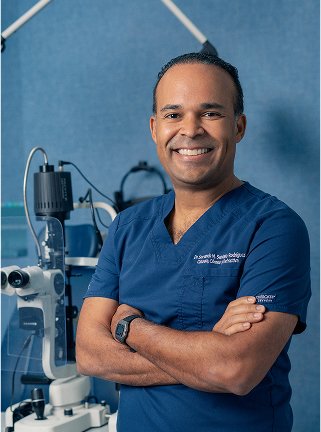
UOC is a comprehensive eye care center recognized for medical excellence and a commitment to innovation. Led by Dr. Servando Santana Rodríguez, it has provided high-quality ophthalmology services for more than 15 years, with an emphasis on cataract surgery, preventive diagnosis and treatment of eye conditions.
This article is part of UOC’s editorial collection, a continuing education initiative that raises awareness in the Dominican Republic about vision care and the prevention of eye disease.