
#Articles
From Resignation to Clear Vision
Santo Domingo, Dominican Republic, September 2025. Dominicans everywhere seek not only to live longer, but to remain active, independent and enjoy a good quality of life. Vision is an essential part of that goal. Yet many still regard vision loss as an inevitable fate, although medical advances have shown that it is not.
Questions such as Will it hurt? Is it dangerous? Will I see well again? Can I return to work? Could I go blind? have delayed access to cataract surgery for decades. Today, those fears conflict with a different medical reality: technological innovation and new techniques have made cataract surgery one of the safest and most successful procedures in modern medicine.
In short, with advanced technology and expert medical care, cataract surgery offers real hope rather than a threat.
Fear of pain is no longer justified. For years, one of the greatest concerns was the belief that cataract surgery is very painful. At UOC, modern procedures use assisted local anesthesia to keep patients comfortable and calm. High-technology equipment enables an outpatient procedure that causes minimal discomfort. Within hours, most patients return home with clearer vision and renewed hope of resuming everyday life.
Cataract surgery is not a highly dangerous procedure. Scientific evidence shows the opposite: it is now considered one of the safest procedures in medicine, with satisfaction rates above 98%. At UOC, we confirm this every day. Common risks are minimal and manageable with specialized medical follow-up.
Recovery does not take months. Most patients notice visual improvement the day after surgery and can soon return to reading, working and even driving safely. UOC supports this process with a clear follow-up plan and straightforward recommendations: do not rub the eyes, wear makeup or swim during the first few days, then gradually resume normal activities.
A cataract does not grow back. Once the clouded natural lens is removed and replaced with an intraocular lens, the cataract cannot return. In some cases, the capsule surrounding the new lens can become cloudy over time. This does not mean the cataract has returned; it is a condition that can be treated easily with an outpatient laser procedure, without another surgery.
Delaying surgery also has a cost. Some people believe cataract surgery should only be performed when the condition is very advanced, but there is no need to wait for a cataract to “mature.” Waiting can create more risks than benefits. At UOC, we often see how postponement limits simple activities such as reading, cooking or enjoying the landscape, increases the risk of falls and accidents and creates emotional insecurity. Early surgery is not excessive: it is a way to preserve independence and quality of life. When reduced visual clarity begins to interfere with daily activities, more than sight is at stake—well-being is too.
At UOC, we believe aging should not mean accepting poorer vision. Every surgery is an opportunity to restore clarity and begin a new stage of active, fulfilling and independent life.
ABOUT UNIDAD DE OFTALMOLOGÍA Y CATARATA (UOC)
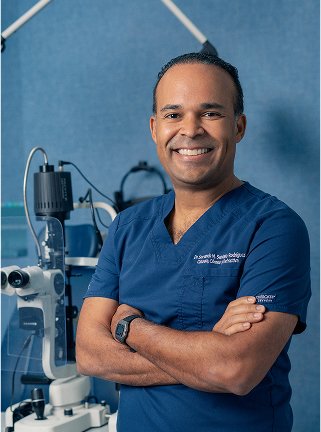
UOC is a comprehensive eye care center recognized for medical excellence and a commitment to innovation. Led by Dr. Servando Santana Rodríguez, it has provided high-quality ophthalmology services for more than 15 years, with an emphasis on cataract surgery, preventive diagnosis and treatment of eye conditions.
This article is part of UOC’s editorial collection, a continuing education initiative that raises awareness in the Dominican Republic about vision care and the prevention of eye disease.
@unidadoftalmologiaycatarata