
#Articles
Diabetes’ Other Front: A Silent Threat to Vision
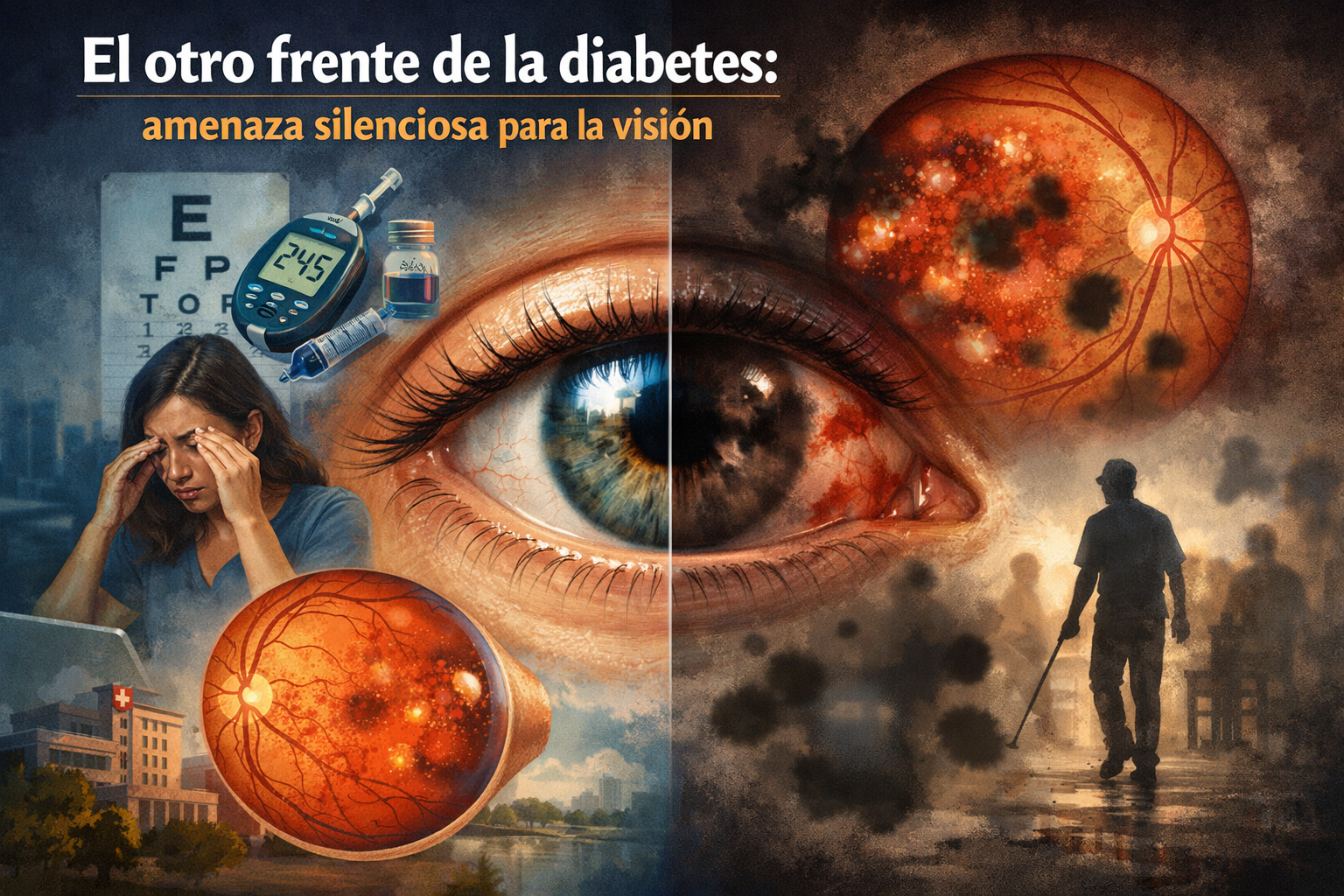
Unidad de Oftalmología y Catarata emphasizes that preventive eye care is essential to avoiding blindness caused by diabetic retinopathy.
More than 13% of the Dominican Republic’s population is estimated to have diabetes. Approximately 1.4 million Dominicans live with this chronic condition. The figure is concerning not only because of metabolic complications, but also because of diabetes’ silent effect on vision.
Diabetic retinopathy is the leading cause of irreversible blindness among working-age adults. Most alarming, many patients have no symptoms in early stages, delaying care and reducing the chance of preserving their vision.
An invisible threat. Ophthalmologists often see patients who arrive with advanced vision loss despite never having felt discomfort. Diabetic retinopathy damages the blood vessels of the retina, the light-sensitive layer at the back of the eye that sends visual signals to the brain. Diabetes can cause leakage, bleeding and even retinal detachment. As these changes progress, vision may be lost suddenly and permanently.
Do not wait for blurred vision before acting. Seeing an ophthalmologist detects problems before it is too late and also provides peace of mind. At UOC, we repeatedly see patients without symptoms whose examinations reveal retinal blood vessels damaged by years of poorly controlled blood glucose.
Other factors—including the number of years a person has had diabetes, high blood pressure and high cholesterol—accelerate visual deterioration. Many patients still do not connect diabetes with the need for ongoing preventive eye care and become vulnerable to irreversible consequences.
The evidence is clear: controlling blood glucose, blood pressure and cholesterol helps protect the retina. Yet even with a healthy lifestyle, nothing replaces an ophthalmology examination. UOC follows one golden rule: everyone with diabetes needs a controlled, personalized and specialized plan for recurring eye care, even when they believe they see well.
Medicine now offers safe and effective ways to preserve vision in people with diabetes, including:
- Laser photocoagulation to seal damaged blood vessels.
- Intravitreal injections to control inflammation and prevent bleeding.
- Retinal surgery in advanced cases.
At UOC, each treatment is personalized. Our retina and vitreous specialists combine clinical experience with advanced diagnostic technology—including fluorescein angiography and optical coherence tomography (OCT)—to detect and treat disease promptly.
The Dominican Republic has advanced technology for diagnosing and treating diabetic retinopathy. The greatest challenge remains the lack of early diagnosis.
During Diabetes Awareness Month, the message is clear: blindness caused by diabetes can be prevented. UOC calls everyone to act. Diabetes care involves not only controlling blood glucose, but also protecting vision as an integral part of treatment.
Every preventive eye examination is an opportunity to preserve independence, safety and quality of life. The difference is not luck; it is the decision to act in time.
ABOUT UOC | UNIDAD DE OFTALMOLOGÍA Y CATARATA
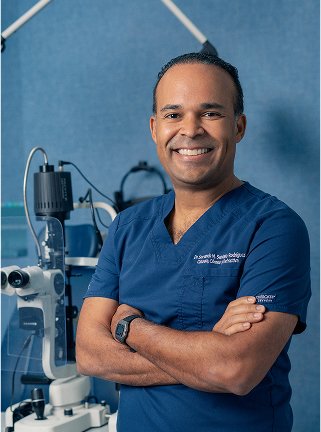
UOC is a comprehensive eye care center recognized for medical excellence and a commitment to innovation. Led by Dr. Servando Santana Rodríguez, it has provided high-quality ophthalmology services for more than 15 years, with an emphasis on cataract surgery, preventive diagnosis and treatment of eye conditions.
This article is part of UOC’s editorial collection, a continuing education initiative that raises awareness in the Dominican Republic about vision care and the prevention of eye disease.
@unidadoftalmologiaycatarata